
How Vaping Works: Mechanism and Components
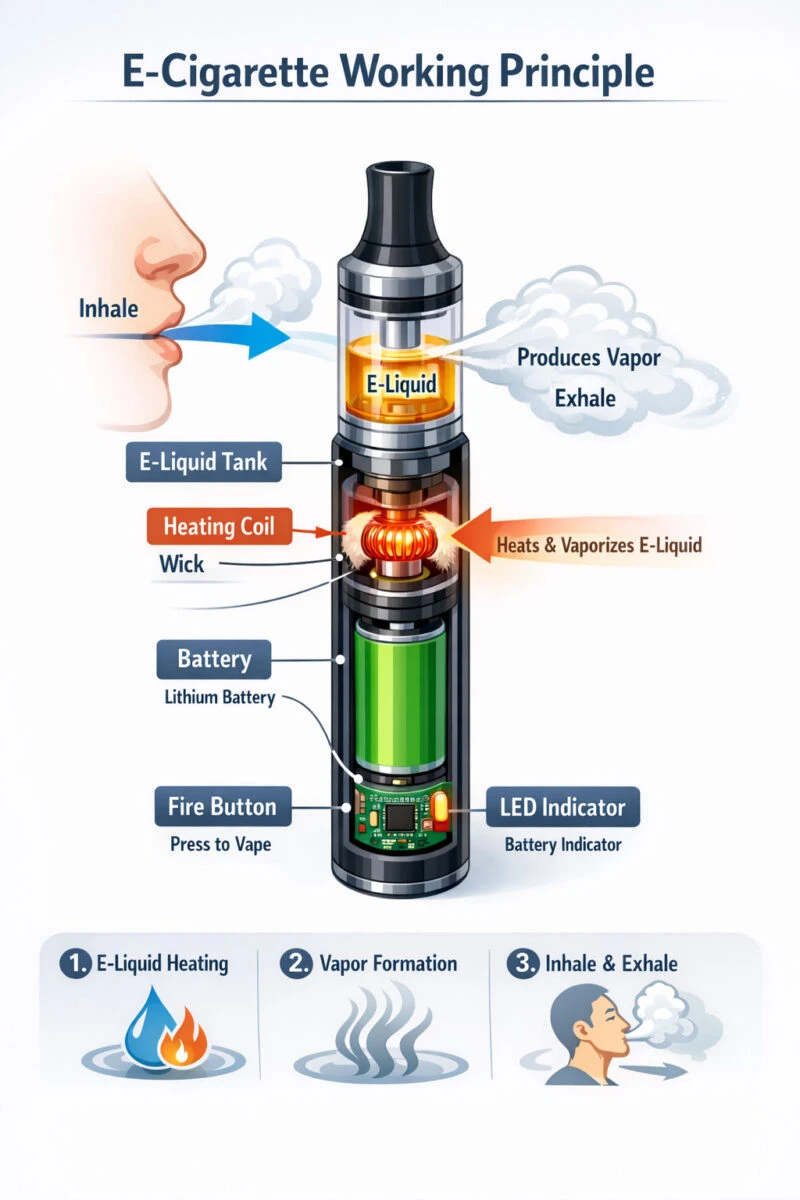
Vaping has become one of the most popular alternatives to smoking, offering users a way to inhale nicotine without burning tobacco. At its core, a vape device, whether a vozol vape, fumot vape, bang vape, or jnr vape, contains a small tank of e-liquid heated by a metallic coil. When activated, this coil vaporizes the liquid, creating a mist of aerosol that users inhale.
Most vape juices consist primarily of propylene glycol and glycerol, substances widely used in food, cosmetics, and medical applications. Nicotine, often in the form of salts, provides the stimulating effects, while various flavoring compounds enhance the taste. While vaping is generally considered less harmful than smoking combustible cigarettes, inhaling these substances introduces them directly into the lungs, which raises unique concerns.
For a detailed overview of how vapes work, see the FDA’s explanation of e-cigarettes.
What’s Actually in Your Vape? Chemicals and Metals Explained
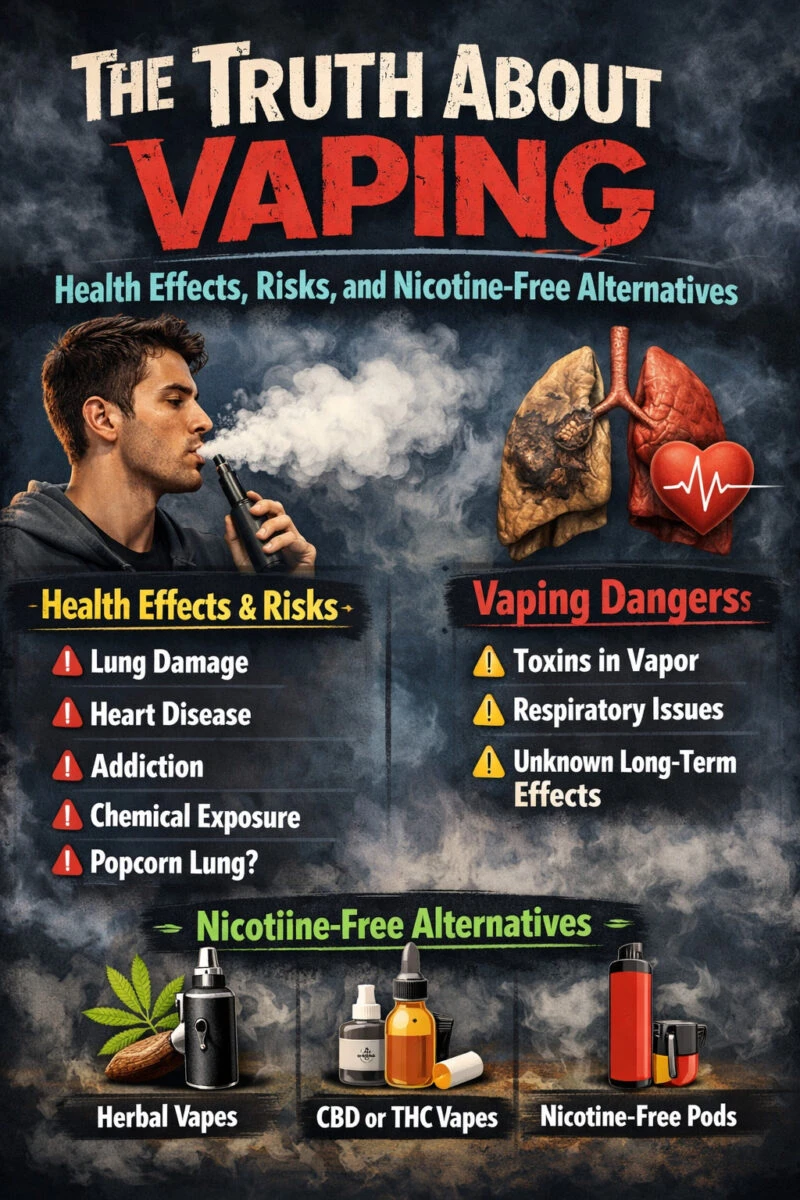
Despite their appealing flavors, vape liquids can contain hundreds of different chemical compounds, many of which are not listed on the packaging. Studies have detected metals such as aluminum, nickel, lead, chromium, and zinc in the aerosol produced by vapes. These metals can irritate the lungs, exacerbate chronic bronchitis, and even contribute to cancer risk over long-term exposure.
Flavoring agents like cinnamaldehyde and benzaldehyde, while safe for consumption in food, may harm lung tissue when inhaled. Heating vape liquids can also create new, unpredictable compounds, further complicating the risk profile.
For more on the health impact of metals in vape aerosol, refer to the Journal of the American Heart Association study.
Health Effects of Vaping: Short-Term and Long-Term Risks
While switching from smoking to vaping can reduce exposure to the toxins present in combustible cigarettes, vaping itself is not risk-free. Short-term effects may include coughing, throat irritation, increased mucus production, and shortness of breath. Nicotine exposure elevates heart rate and blood pressure, potentially stressing cardiovascular systems.
Long-term effects remain uncertain because large-scale studies of non-smokers who vape have only recently begun. The National Academies’ report on e-cigarettes emphasizes that vaping is considerably less harmful than smoking but may still contribute to respiratory and cardiovascular problems over time.
Nicotine Addiction: Why Vapes Are So Habit-Forming
Nicotine is one of the most addictive substances known. Vaping allows users to consume high doses of nicotine easily, often more than they would through smoking. Teenagers are particularly vulnerable because their developing brains are highly sensitive to nicotine, which interacts directly with reward pathways and can affect attention, impulse control, and mood regulation.
Even those using nicotine-free options or nicotine free vape products may experience the habitual component of vaping, forming a strong behavioral dependency. This is why careful monitoring and education about use, particularly for adolescents, is critical.
Nicotine-Free Vape Options: Safer Alternatives
For individuals seeking the sensory experience of vaping without the addictive effects of nicotine, nicotine free vape products provide a viable alternative. Devices like Bang Leader 300k Puffs Vape, Bang Blaze 100k Vape, and Bang King 50000 Vape offer a range of flavors without delivering nicotine, making them a safer option for adults seeking stress relief or sensory enjoyment.
For guidance on safer vaping alternatives, see the American Lung Association’s resources on e-cigarettes.
Vaping Trends Among Teens and Adults
Vaping has surged among both adults and teens. In 2023, roughly 8% of U.S. students reported regular vaping, with one in four using flavored products daily. In the UK, 20% of children have tried vaping at least once. Flavored products like jnr vape, vozol vape, and fumot vape have contributed to the appeal, highlighting the need for responsible usage and awareness of health risks.
Policy makers continue to adapt regulations to reduce youth access while preserving harm-reduction options for adults. The CDC provides updated statistics on youth vaping.
Making Informed Choices: How to Stay Safe
Choosing whether and how to vape should be an informed decision. Visiting a reputable vape shop ensures access to tested products, accurate labeling, and guidance on nicotine content. Users should be aware of the differences between disposable devices and refillable systems, as well as between nicotine and nicotine-free options.
Education, moderation, and awareness of personal health are key. Vaping remains far less harmful than smoking cigarettes, but it is not risk-free, especially for non-smokers and youth.
Vaping Is Too Good To Be True
Conclusion
Vaping offers a less harmful alternative to smoking, providing nicotine in a way that avoids the toxic smoke of combustibles. Devices such as bang vape, fumot vape, vozol vape, and jnr vape deliver this experience effectively, while nicotine free vape options offer a safer route for those who want flavor without addiction.
However, the long-term health effects of vaping are still under study. It is crucial to stay informed using reliable sources like the FDA, CDC, and NIH. Awareness, moderation, and careful product selection are essential to minimizing risks while benefiting from this modern alternative to smoking.

 English
  German
  Italian
  French
  Spanish
  Dutch
Dutch  Swedish
  Japanese